Dynamic Motion: Capturing Speed in Your Designs
The Visual Essence of the Sprinter and the Silhouette
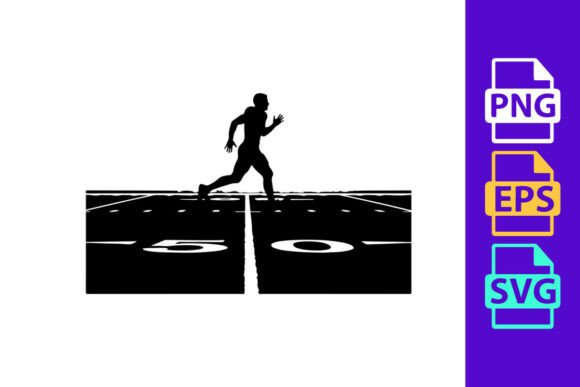
When we talk about "Athlete Sprinting on a Track Field Durin," we aren't just describing an image; we are discussing a specific design philosophy centered on raw energy, precision, and forward momentum. This visual concept represents the pinnacle of athletic tension—the split second where muscle memory takes over and the body becomes a blur of motion. For a designer, capturing this intensity requires more than just a stock photo; it demands graphic assets that embody that same kinetic power. This is where the intersection of athletic imagery and clean vector design, like the Football Silhouette Clipart, becomes essential.
Imagine trying to convey the speed of a sprinter without using motion blur. You need strong, bold lines that suggest direction. You need high contrast that mimics the focus of a race. Whether you are working on a track and field event poster or a brand identity for a fitness startup, the visual language of speed is universal. It speaks to ambition, health, and breaking limits. The "Athlete Sprinting on a Track Field Durin" aesthetic is about that explosive energy, and applying it correctly can transform a static layout into a dynamic experience for the viewer.
Integrating Vector Energy into Brand Identity
For entrepreneurs and small business owners in the sports sector, the challenge is often finding design assets that scale. A pixelated image of a sprinter on a billboard looks unprofessional, but a crisp vector silhouette maintains its integrity from a business card to a stadium banner. This is the core value of scalable vector graphics. A high-quality Football Silhouette Clipart isn't just a picture of a ball or a player; it is a tool for brand identity.
When you utilize clean vector lines, you ensure that your logo design and packaging design remain versatile. Consider a local soccer academy or a marathon training group. Their branding needs to look sharp on jerseys (jersey design is a specialized field), social media headers, and print flyers. By leveraging the "Athlete Sprinting on a Track Field Durin" style—focusing on the silhouette and the negative space—you create a cohesive visual system. The bold shapes of a football silhouette can complement the sharp angles of a sprinter's form, creating a unified sports aesthetic that resonates with fans and athletes alike.
Practical Applications: From Apparel to Digital Media
The versatility of these assets is where the real value lies for content creators and marketers. Let's look at social media graphics. Platforms like Instagram and TikTok favor bold, eye-catching visuals. A story post featuring a high-contrast silhouette of a sprinter or a footballer instantly grabs attention amidst a sea of text-heavy content. These images work perfectly for "Game Day" announcements, fitness challenges, or motivational quotes.
Beyond the screen, the application extends to physical products. The print-on-demand market thrives on niche designs. A minimalist vector of a sprinter in action, or a stylized football player, is a classic design choice for t-shirts, hoodies, and gym bags. Because these files often come in formats like SVG and EPS, they are easily customizable. You can recolor the silhouette to match a specific team palette or layer it with text to create a unique merchandise line. This flexibility allows for rapid prototyping and iteration, which is crucial for staying ahead in fast-moving markets.
Typography and Layout: Pairing Text with Motion
Choosing the right typeface to accompany athletic imagery is a critical step in editorial design and web design. You cannot pair a dynamic, high-energy sprinter silhouette with a rigid, boring font. You need a premium font that matches the intensity of the image. This is often where a strong display font or a modern sans serif font comes into play.
A geometric sans serif, for example, mirrors the clean, vector lines of a football silhouette. It suggests stability and modernity. If you are designing for a track event, a condensed sans serif can mimic the verticality and speed of the athletes. For a more vintage sports vibe, a bold serif font with high contrast can evoke a sense of tradition and history, perfect for retro-style team logos. The key is font pairing. You might use a heavy, impactful display font for the headline ("The Big Race") and pair it with a highly legible, lighter sans serif for the body copy to ensure readability. This creates a visual hierarchy that guides the reader's eye from the image to the information.
Customization and Technical Considerations
For the hobbyist or the crafter, the ability to customize these assets is paramount. A vector file allows you to separate the elements. You might want to take just the leg of the sprinter to create an abstract background pattern, or isolate the football to use as an icon in a menu design. This level of control is impossible with flattened raster images.
When evaluating these assets for commercial use, always check the licensing. Most professional design assets allow for commercial use, meaning you can sell the products you create with them, but you cannot resell the raw file itself. This is standard practice in the industry and protects both the creator and the user. Furthermore, ensure the files are compatible with your software. Whether you use Adobe Illustrator, Affinity Designer, or even Canva, having access to PNG files with transparent backgrounds is essential for layering images without awkward white boxes around them.
Elevating Your Creative Projects
Ultimately, the goal of using high-quality athletic imagery is to elevate your work. It is about moving beyond generic clipart and embracing modern typography and graphic design principles. Whether you are a blogger writing about the Olympics, a publisher creating a sports almanac, or a brand strategist developing a campaign for a new energy drink, the visual language of sport is powerful.
The "Athlete Sprinting on a Track Field Durin" concept is more than just a keyword; it is a design directive. It tells you to focus on energy, movement, and clarity. By combining this with scalable vector assets and thoughtful typography, you create designs that don't just look good—they perform. They capture the viewer's attention, communicate the message instantly, and leave a lasting impression of professionalism and vitality. Use these tools wisely to bring that sense of motion and excitement to every project you touch.